What changes the right inspection frequency
While twice a year plus event based checks is the general baseline, the ideal frequency for a specific roof varies, and a Lizton owner benefits from knowing what adjusts it. Several factors call for more frequent inspection.
The roof's age and condition
An older roof, or one in declining condition, generally warrants more frequent inspection, since it is more prone to problems and closer to the end of its life, where issues develop faster and matter more. A newer roof in good condition may need less. For a roof, the age and condition adjust the frequency, with an aging or troubled roof benefiting from more regular monitoring to catch the problems that come more readily as a roof nears the end of its service.
The roof's history of problems
A roof with a history of leaks or recurring problems warrants closer monitoring, since past issues indicate vulnerabilities that may recur and a roof that needs more attention. A trouble free roof may need less frequent checks. For a Hendricks County roof, the problem history informs the frequency, with a roof that has had repeated issues benefiting from more regular inspection to stay ahead of the problems its history suggests are likely, catching them early as they arise.
The roof type and its vulnerabilities
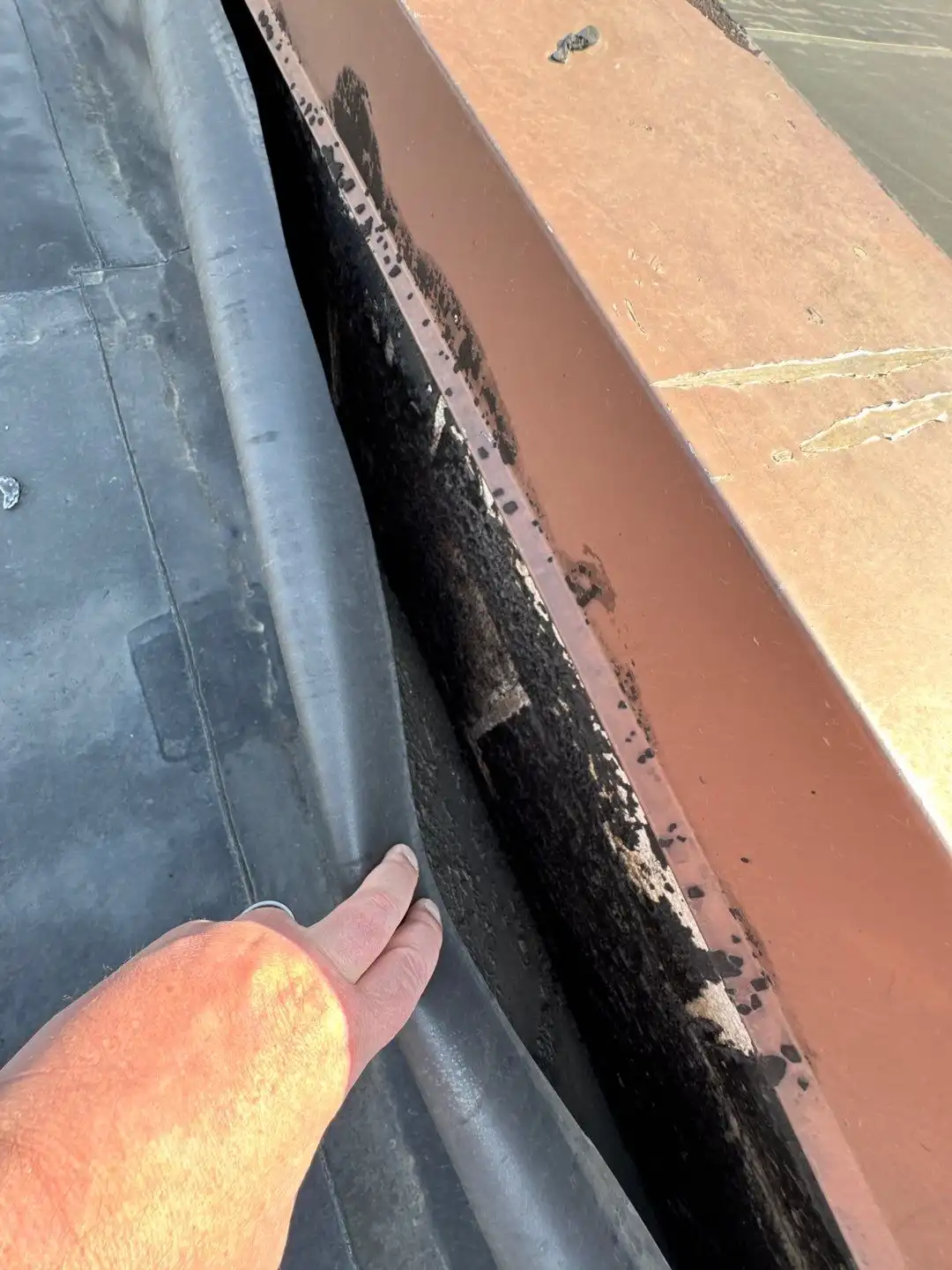
Some roof types or features warrant particular attention, a roof with many penetrations and rooftop equipment has more potential leak points to monitor, and certain systems have specific areas, like EPDM's seams, that benefit from regular checks. The roof's characteristics affect the appropriate frequency. For a Lizton roof, the type and its particular vulnerabilities may call for more attention to those features, adjusting the inspection approach to the specific roof's risk points.
The building's importance and exposure
A building where a roof failure would be especially costly or disruptive, or a roof in a harsh or exposed location, may warrant more frequent inspection to minimize the risk of an undetected problem. The stakes and exposure factor in. For a building housing sensitive contents or operations, or facing severe weather exposure, more frequent inspection reduces the chance of a damaging surprise, aligning the monitoring with the consequences of a roof problem for that particular building.
Adjusting from the baseline
The general baseline adjusts upward for older or declining roofs, roofs with a problem history, roofs with many vulnerabilities, and high stakes or exposed buildings, all of which benefit from more frequent inspection. For a Hendricks County owner, understanding these factors helps set the right frequency for their specific roof rather than applying the baseline blindly, ensuring the inspection schedule matches the roof's actual risk and importance.
Set the right frequency for your roof
The broader point about inspection frequency is that the calendar is only half of it, since a roof should be checked both on a regular schedule and whenever events warrant, the two together providing real protection. A Lizton owner who follows the twice yearly cadence but also inspects after storms and at the first sign of a problem catches both the gradual issues and the sudden damage, while one who relies on the calendar alone may miss storm damage between checks. The combined approach is what keeps a roof genuinely monitored.
Finally, the schedule only protects the roof if it actually happens, which is why building inspection into a lasting routine matters more than knowing the right interval. A owner who puts the inspections into a maintenance plan ensures they occur consistently year after year, producing the documentation and the early problem catching that protect the roof over its life. The intention to inspect regularly is common; the sustained practice is what is rare and valuable, and it is what ultimately keeps a commercial roof healthy.
It also helps to match the frequency to the roof rather than applying one rule to every building, because an aging roof with a history of leaks needs closer attention than a sound new one. A Hendricks County owner who adjusts the schedule for the roof's age, condition, history, and importance gets monitoring proportioned to the actual risk, catching problems on the roofs most likely to have them. That tailored frequency, rather than a blanket interval, is what makes the inspection schedule both effective and sensible for a particular roof.
The broader point about inspection frequency is that the calendar is only half of it, since a roof should be checked both on a regular schedule and whenever events warrant, the two together providing real protection. A Lizton owner who follows the twice yearly cadence but also inspects after storms and at the first sign of a problem catches both the gradual issues and the sudden damage, while one who relies on the calendar alone may miss storm damage between checks. The combined approach is what keeps a roof genuinely monitored.
Finally, the schedule only protects the roof if it actually happens, which is why building inspection into a lasting routine matters more than knowing the right interval. A owner who puts the inspections into a maintenance plan ensures they occur consistently year after year, producing the documentation and the early problem catching that protect the roof over its life. The intention to inspect regularly is common; the sustained practice is what is rare and valuable, and it is what ultimately keeps a commercial roof healthy.
It also helps to match the frequency to the roof rather than applying one rule to every building, because an aging roof with a history of leaks needs closer attention than a sound new one. A Hendricks County owner who adjusts the schedule for the roof's age, condition, history, and importance gets monitoring proportioned to the actual risk, catching problems on the roofs most likely to have them. That tailored frequency, rather than a blanket interval, is what makes the inspection schedule both effective and sensible for a particular roof.
The broader point about inspection frequency is that the calendar is only half of it, since a roof should be checked both on a regular schedule and whenever events warrant, the two together providing real protection. A Lizton owner who follows the twice yearly cadence but also inspects after storms and at the first sign of a problem catches both the gradual issues and the sudden damage, while one who relies on the calendar alone may miss storm damage between checks. The combined approach is what keeps a roof genuinely monitored.
Lizton Commercial Roofing helps Lizton owners set an inspection frequency matched to their roof's age, condition, history, and importance. Call (765) 676-3491 to determine the right inspection schedule for your roof. The right frequency is what separates early problem catching from an expensive surprise.